Chase Fresh Tracks Across Canada in a Single Perfect Day
Start Smart: Picking the Right Snowy Escape
Regions and Travel Time
Seasons, Weather, and Light
Rockies, Coast, and Quebec: Day Trips That Shine


Signature Winter Activities, Done in a Day
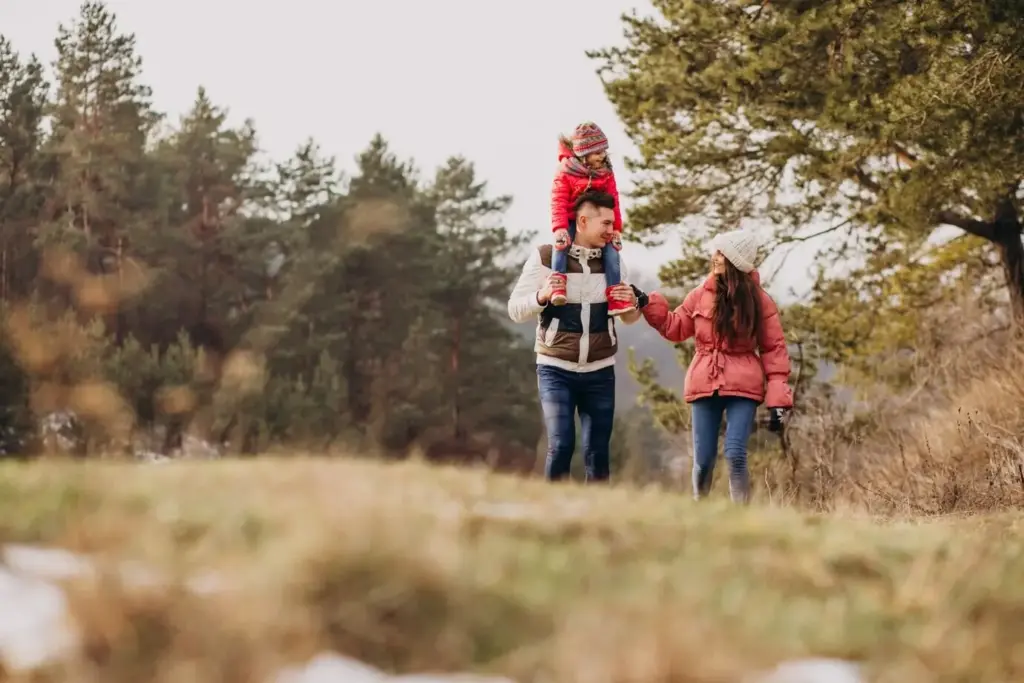




What to Pack and How to Stay Warm
Layering That Adapts Gracefully
Begin cool, not sweaty. A merino or synthetic base moves moisture, a puffy traps warmth at stops, and a shell blocks wind on ridges or open lakes. Vent zippers regulate heat during climbs. Neck gaiters, beanies, and mitts fine-tune comfort. Bring a dry backup base for post-tour bus rides. If forecasts swing, pack a light midlayer you can add quickly. Share how you usually overheat or chill, and we’ll offer swaps—thicker socks, lighter fleece, or vapor-barrier tips—that help you enjoy scenic pauses without shivering or damp discomfort.
Footing, Traction, and Happy Knees
Stable steps make every outlook safer. Microspikes bite into packed snow and ice, while snowshoes float on drifts and spread load. Adjustable poles reduce fatigue on rolling terrain and help during creek crossings. A supportive boot with room for thick socks helps circulation; too tight equals cold toes. Consider gaiters to block snow. If your knees talk back, ask guides about gentler grades and downhill techniques. Post your boot model and terrain concerns, and we’ll share user-tested tips for lacing strategies, insoles, and pacing that preserves energy.

Stories from the Trail and Local Flavor
Respect the Snow: Safety and Stewardship
Weather Checks and Avalanche Awareness
Wildlife Etiquette and Quiet Presence
